
Insoles for Foot Injuries

Understanding Common Problems and How to Protect Your Feet
Our feet work hard every day, carrying us through work, exercise, and daily activities. Because they absorb so much pressure and impact, they are also vulnerable to injury. Foot injuries can range from minor sores and wounds to more serious sprains and fractures. Understanding these injuries and how they affect foot health can help you recover more comfortably and reduce the risk of future problems.
Common Types of Foot Injuries
Foot injuries come in many forms, each with its own challenges:
- Sores and wounds: These include blisters, cuts, and pressure sores. They often develop from friction, ill-fitting shoes, or prolonged standing and walking. If not cared for properly, they can become painful or infected.
- Sprains: A sprain occurs when the ligaments supporting the foot or ankle are overstretched or torn. This often happens after a twist, fall, or sudden change in direction.
- Fractures: Fractures are breaks or cracks in the bones of the foot. They can result from accidents, heavy impact, or repeated stress over time, such as stress fractures.
- Bruising and soft tissue injuries: These can develop after impact or overuse and may cause swelling, stiffness, and discomfort.
How Foot Injuries Affect Daily Life
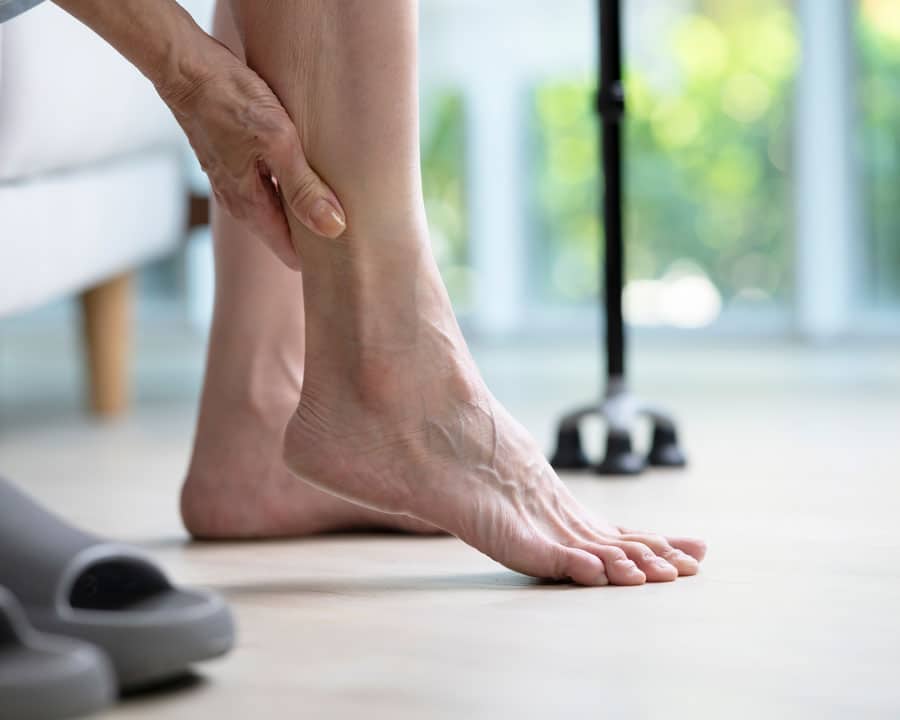
Even a minor foot injury can make walking uncomfortable. Pain may lead to changes in the way you walk, placing extra strain on other parts of the body, such as the ankles, knees, hips, or back. Reduced mobility can also affect balance, confidence, and overall activity levels, which may slow recovery.
Proper support during healing is essential to avoid re-injury and long-term problems.
Recovery and Prevention
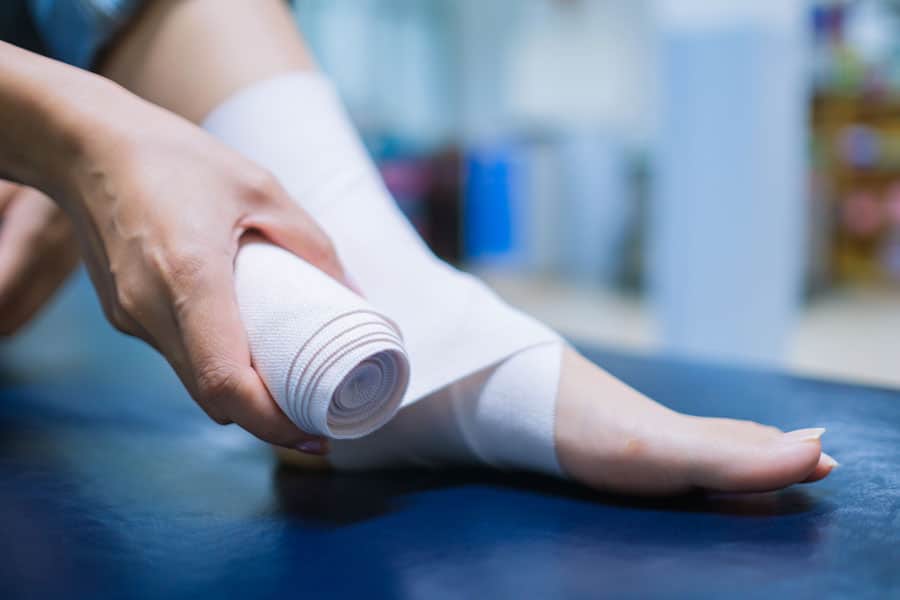
Rest, appropriate medical care, and gradual return to activity are key parts of recovery. Wearing supportive footwear and protecting injured areas can help reduce pain and promote healing. Once an injury begins to heal, restoring proper movement patterns is important to prevent compensation and further strain.
Custom insoles help
- Improve foot alignment and stability
- Reduce fatigue from repetitive movement
- Absorb shock during pacing, jumping, or toe-walking
- Reduce pain in the feet, knees, hips, and back
- Support better posture and balance

How Custom Insoles Can Help With Foot Injuries
Custom-made insoles can play a valuable role in both recovery and injury prevention. Designed specifically for your foot shape, pressure points, and walking pattern, custom insoles provide targeted support where it’s needed most.
For injured feet, custom insoles help redistribute pressure, reducing stress on sore or healing areas. Added cushioning helps absorb impact, making walking more comfortable and allowing tissues and bones to recover more effectively. Insoles also support proper alignment, which reduces strain on ligaments and joints during movement.
In the long term, custom insoles help improve stability, balance, and shock absorption. By correcting poor foot mechanics and reducing repetitive stress, they can lower the risk of future injuries. With improved comfort and support, custom-made insoles help you move with confidence, recover safely, and protect your feet from further harm.
General guidance for selecting a custom insole
For foot injuries
These are general best-practice guidelines and the most commonly recommended custom insole features. Final prescriptions should always be individualised. We recommend seeking professional advice and guidance where symptoms, medical conditions or complex demands are present.
- EVA density: select low for extra comfort, but this will reduce stability
- Heel cup Depth: select 20mm if you want more stability
Recommended Custom Insole Specifications
- Foot demands: Protection, off-loading
- Typical shoe style: Trainers, medical footwear
- Shoe space required: High
- Custom insole type: Medical accommodative
- EVA density: Low–medium*
- Insole length: Full length
- Heel cup depth: 15–20mm*
- Extensions: Poron
- Middle layer: 6mm Poron
- Top cover: Microfibre
- Design focus: Healing support
Frequently Asked Questions
Find clear, helpful answers to common questions about our custom orthotics, fitting process, materials, benefits, care, warranties, and more to support your foot health and comfort.
How do I order bespoke custom-made orthotic insoles?
Simply purchase our Bespoke Insole Kit. We’ll guide you through taking accurate foot impressions at home, then hand-craft your custom insoles in our workshop and post them back to you.
Is there evidence that custom insoles can help prevent injury and promote performance?
Yes. Our clients consistently report reduced pain, better posture, straighter hips, and the ability to walk further and faster without discomfort. Many prevent recurring issues and enjoy improved mobility in daily activities and exercise.
How do I select the right custom insole based on my activity or sport?
Our bespoke insoles are individually hand-crafted to match your exact foot shape, gait, and specific activity. Simply tell us your sport or daily demands when ordering, we'll design the perfect support, cushioning, and correction for you.
Why does shoe type matter when selecting and using bespoke custom insoles?
Shoe type matters because the right footwear complements your custom insoles. Stable, well-fitting shoes with enough depth ensure optimal support, proper function, and maximum relief from pain and misalignment.
-

"Before, my feet hurt while hiking, gardening and caring for the horses and home. After seeing Mark Smith Orthotics, I can walk for longer distances without pain."
Val Bell
-
"Before the insoles, I had foot pain from a flat arch in my feet. Now, I am pain-free, and can move without lower back pain and can walk further and faster."
Tom Cartner
-
"Mark Smith Orthotics have now become indispensable by correcting my posture, straightening my hips, dramatically reducing pain during daily activities and exercise, and providing surprising relief that has transformed my workflow."
Mark Freeman
-
"I chose Mark Smith Orthotics over other options because of his highly professional approach, the time he dedicates, and the excellent quality of his work."
Tayyab Talu
-
"I have experienced a significant enhancement in daily comfort, a substantial reduction in pain, and unexpectedly straightforward ease of use, making these custom orthotics indispensable."
N. Douglas
-
"Before the insoles, I had foot pain from a flat arch in my feet and sometimes lower back pain because I also had one leg slightly longer than the other. Now, I am pain-free and can walk further and faster!"
Tom Carr