
Insoles for Morton’s Neuroma
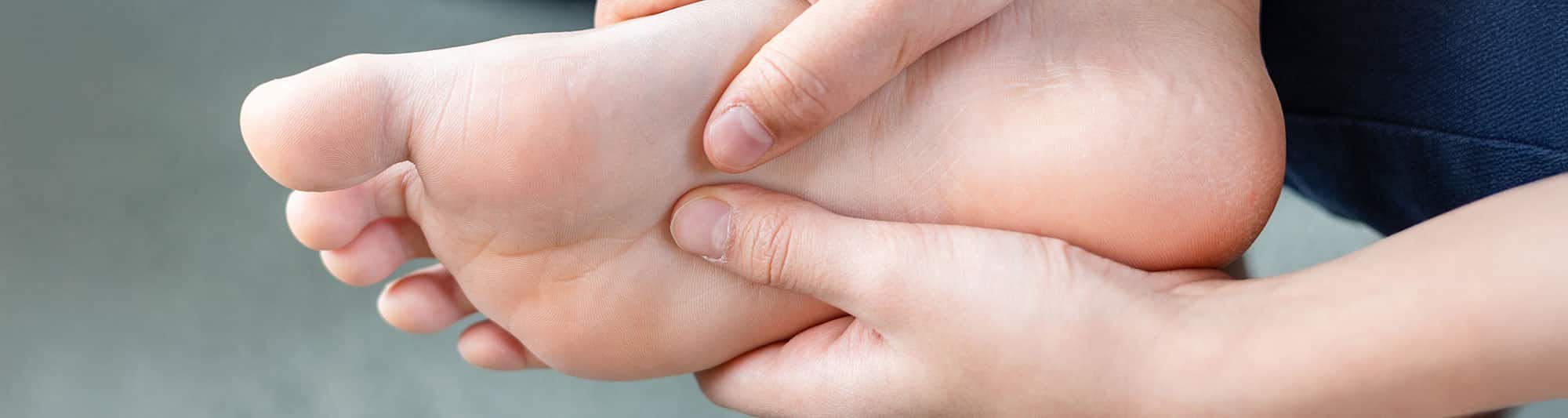
Understanding pain in the ball of the foot
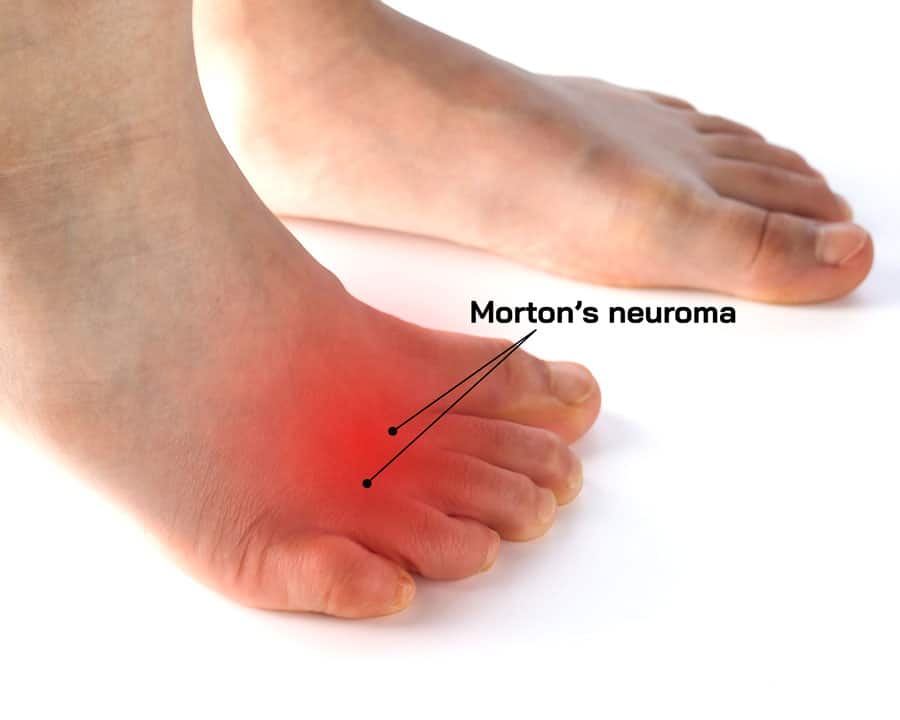
Morton's neuroma is a common and often painful foot condition that affects the ball of the foot, usually between the third and fourth toes. Despite its name, it is not a tumour. Instead, it occurs when the tissue around a nerve thickens due to repeated irritation or pressure. This nerve compression can make walking and standing uncomfortable and may interfere with daily activities if left unmanaged.
Inside the foot, small nerves run between the toes and help provide sensation. Morton's neuroma develops when one of these nerves becomes compressed, often due to tight footwear or excessive pressure on the forefoot. Over time, the irritated nerve becomes inflamed and sensitive, leading to ongoing discomfort.
Many people describe the sensation as feeling like they are standing on a pebble or a folded sock inside their shoe. Symptoms may start mildly but often worsen without proper support.
What Causes morton’s neuroma?
Several factors increase the risk of developing morton's neuroma:
- Wearing narrow, tight, or high-heeled shoes
- Repetitive impact from walking, running, or standing
- Foot shape issues, such as flat feet, high arches, or bunions
- Poor foot alignment or excessive pressure on the forefoot
These factors place repeated stress on the nerve, leading to irritation and pain.
Common Symptoms
Morton's neuroma can cause a range of symptoms, including:
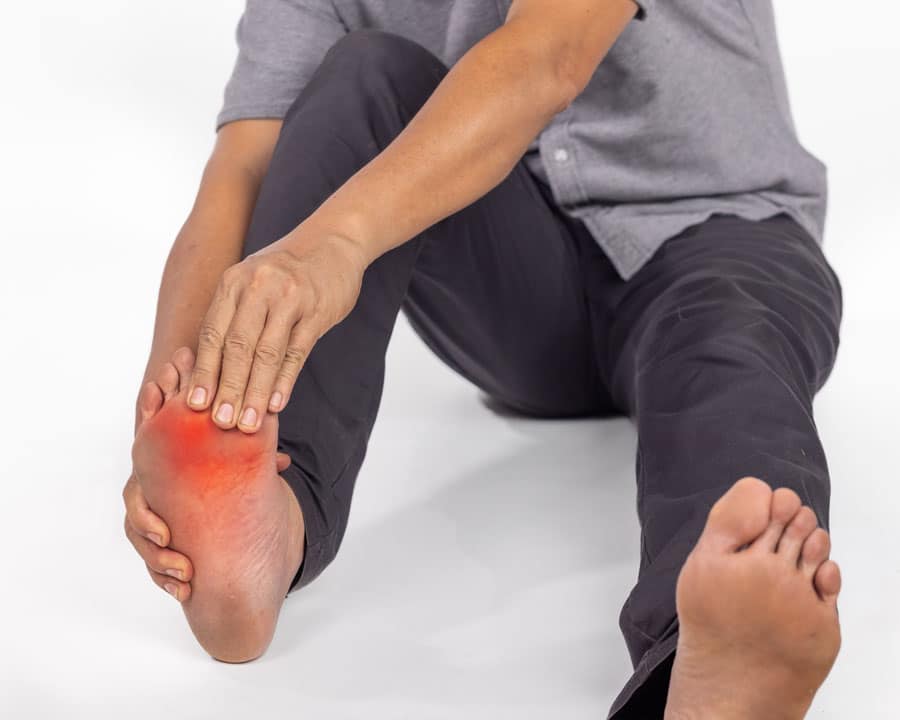
- Sharp, burning, or shooting pain in the ball of the foot
- Tingling, numbness, or pins-and-needles in the toes
- Pain that worsens when walking or wearing tight shoes
- Temporary relief when removing footwear or massaging the foot
Symptoms may come and go at first, but can become more frequent over time.
How Custom Insoles Can Help Morton's Neuroma
Custom-made insoles are an effective way to manage morton's neuroma and reduce the risk of further injury. Designed to suit your individual foot shape and walking pattern, they provide targeted support where it is needed most.
Custom insoles help redistribute pressure away from the ball of the foot, reducing compression on the affected nerve. They also improve overall foot alignment and provide cushioning to absorb impact during walking. By reducing strain on the forefoot and improving stability, custom-made insoles can relieve pain, support healing, and help prevent compensatory injuries in the feet, ankles, knees, and hips.
General guidance for selecting a custom insole
For morton's neuroma
These are general best-practice guidelines and the most commonly recommended custom insole features. Final prescriptions should always be individualised. We recommend seeking professional advice and guidance where symptoms, medical conditions or complex demands are present.
- Insole length: Select full foot if the current insole can be removed from your footwear.
- Heel cup Depth: select 20mm if you want more stability.
Recommended Custom Insole Specifications
- Foot demands: Forefoot pressure relief
- Typical shoe style: Trainers, wider shoes
- Shoe space required: Medium–high
- Custom insole type: Accommodative
- EVA density: Medium
- Insole length: Sulcus or full foot*
- Heel cup depth: 15–20mm*
- Extensions: Poron forefoot
- Middle layer: 3mm Poron
- Top cover: Microfibre
- Design focus: Forefoot comfort
Frequently Asked Questions
Find clear, helpful answers to common questions about our custom orthotics, fitting process, materials, benefits, care, warranties, and more to support your foot health and comfort.
How do I order bespoke custom-made orthotic insoles?
Simply purchase our Bespoke Insole Kit. We’ll guide you through taking accurate foot impressions at home, then hand-craft your custom insoles in our workshop and post them back to you.
Why do my feet hurt, and how can custom-made insoles help?
Your feet hurt due to poor biomechanics, flat arches, or uneven leg length, which strain muscles and joints. Our custom-made insoles correct alignment, support your unique foot shape, relieve pressure, and restore pain-free movement.
Is there evidence that custom insoles can help prevent injury and promote performance?
Yes. Our clients consistently report reduced pain, better posture, straighter hips, and the ability to walk further and faster without discomfort. Many prevent recurring issues and enjoy improved mobility in daily activities and exercise.
Why does shoe type matter when selecting and using bespoke custom insoles?
Shoe type matters because the fit, width, depth, and support of your footwear directly affect how well your custom insoles perform. The right shoes allow the insoles to correct biomechanics effectively and deliver maximum comfort and benefit.
-

"Before, my feet hurt while hiking, gardening and caring for the horses and home. After seeing Mark Smith Orthotics, I can walk for longer distances without pain."
Val Bell
-
"Before the insoles, I had foot pain from a flat arch in my feet. Now, I am pain-free, and can move without lower back pain and can walk further and faster."
Tom Cartner
-
"Mark Smith Orthotics have now become indispensable by correcting my posture, straightening my hips, dramatically reducing pain during daily activities and exercise, and providing surprising relief that has transformed my workflow."
Mark Freeman
-
"I chose Mark Smith Orthotics over other options because of his highly professional approach, the time he dedicates, and the excellent quality of his work."
Tayyab Talu
-
"I have experienced a significant enhancement in daily comfort, a substantial reduction in pain, and unexpectedly straightforward ease of use, making these custom orthotics indispensable."
N. Douglas
-
"Before the insoles, I had foot pain from a flat arch in my feet and sometimes lower back pain because I also had one leg slightly longer than the other. Now, I am pain-free and can walk further and faster!"
Tom Carr